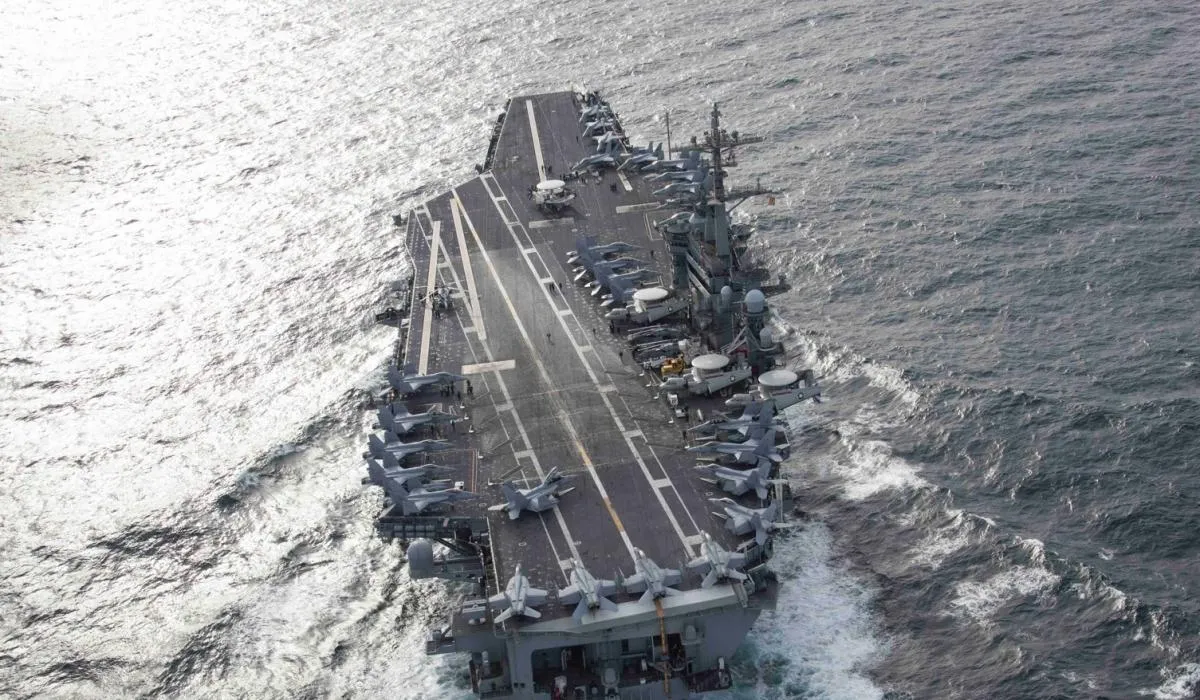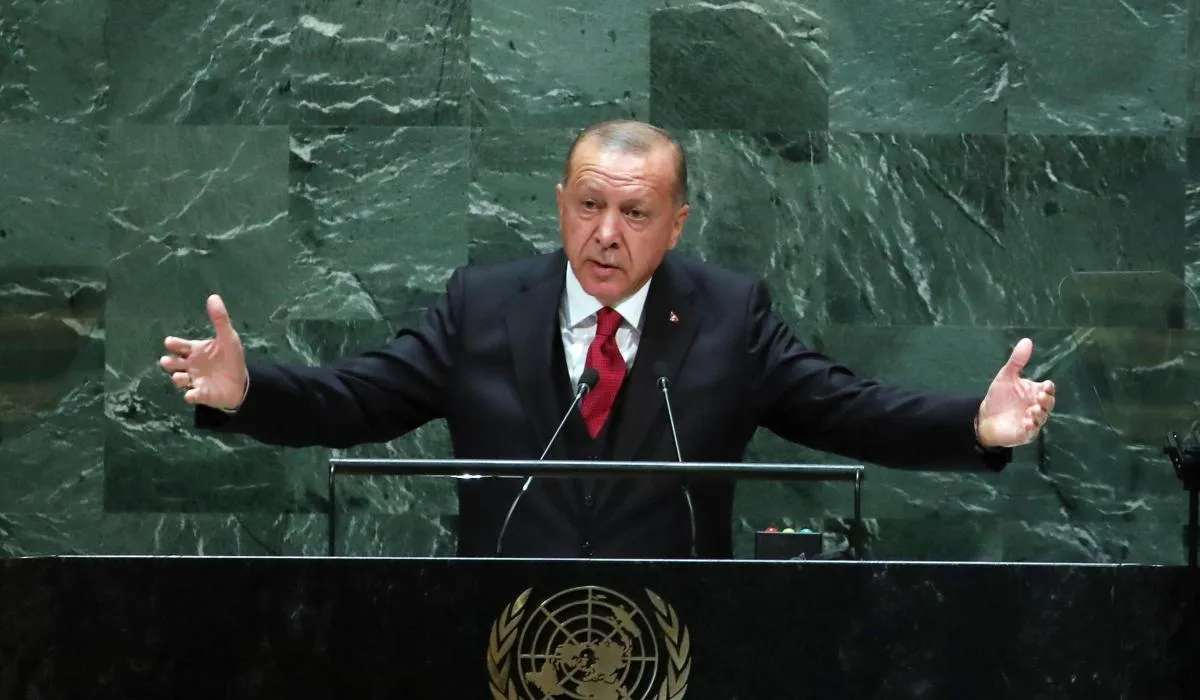



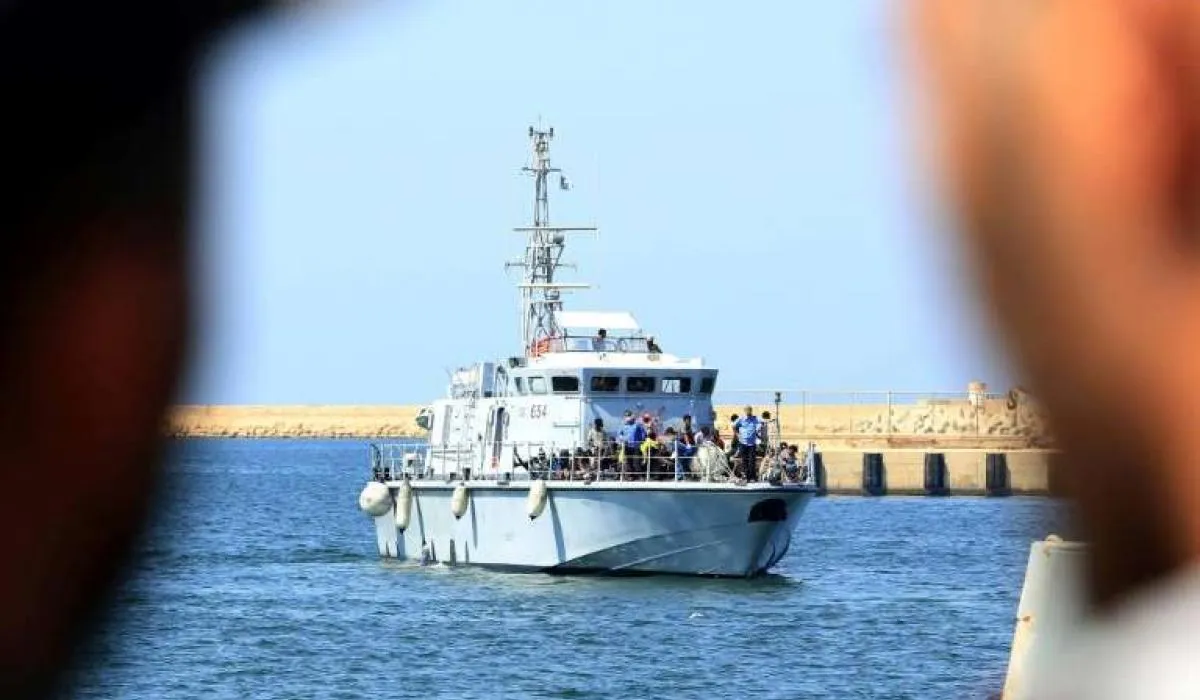
The Impact of the Closure of the Strait of Hormuz on Europe

Read more

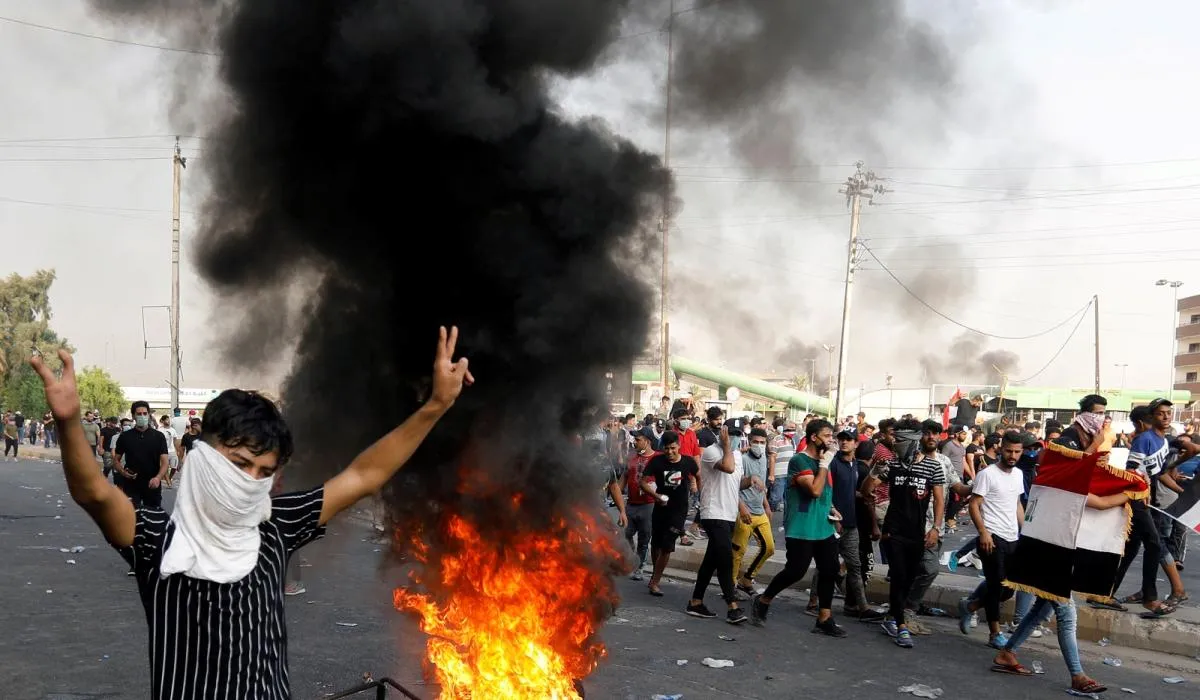
Interconnectivity in Times of War – Reality, Vision or Mirage?

Read more

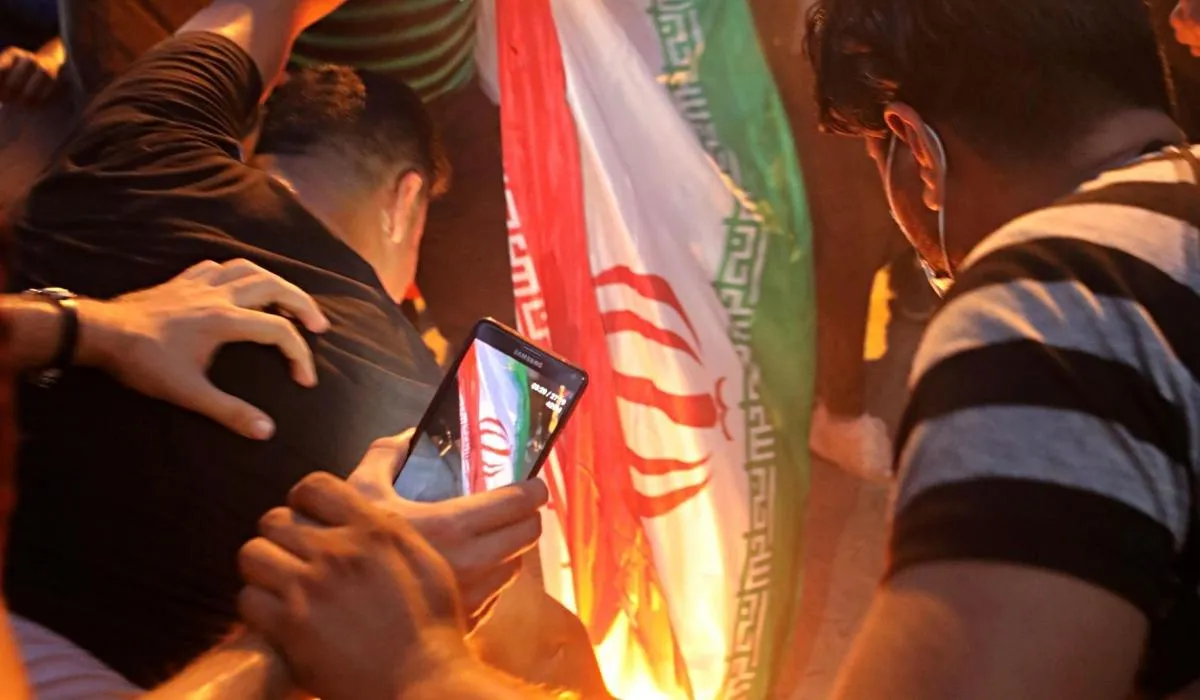
Corridor and Conflict Zone: The Implications of the Iran War on Gulf-African Relations

Read more

Conflict as a Chance? The Iran War as a Critical Moment for Gulf-European Relations

Read more

Competing Visions, Shared Vulnerabilities: Structural Implications of the Saudi-UAE Rift on Europe

Read more

Unmasking Five Myths: Gaza, the Trump Plan, and the EU’s Politics of Illusion

Read more

Security For Deals: Shifts And Continuities In US-Saudi Relations After MbS Visit to Trump

Read more

Predicting Unpredictability: Gulf States After The Attack On Qatar And The Trump Gaza Plan

Read more

Beyond the Ceasefire: Mobilizing the EU for a New Approach to Peace in Palestine

Read more

The Gulf states Pivot to Africa: Enhancing geoeconomic engagement amid times of geopolitical shifts

Read more

Beyond Bystanding: The 12-Day War and Its Impact on Gulf-European Cooperation

Read more

After the dust has settled: Optics and Reality Check of Trump’s Gulf trip

Read more

More than a visit: Khalid bin Salman’s Trip to Tehran and its Implications for the Saudi-Iranian Relations

Read more

Quo Vadis, European Union? Perspectives for Closer Gulf-EU Cooperation in Turbulent Times

Read more

An Alternative for Palestine: The Arab reconstruction plan in light of Trump’s Gaza statements

Read more

The Netherlands’ Grand Security Strategy scrutinized

Read more

Partnering Beyond Trump: a Chance for Enhanced Gulf-European Relations.

Read more

Causing Mixed Feelings: The Fall of the Assad Regime and the Gulf States.

Read more

Trump 2.0 and the Gulf States: More Hedging than Honeymoon.

Read more

Four More Years: U.S. Voter Dynamics and Middle East Policy Amidst the War in Gaza.

Read more

About Us

We are an independent, non-profit, think-and-do tank based in the capital of Europe that is committed to developing solutions to address the cyclical drivers of insecurity, economic fragility, and conflict in the Middle East and North Africa.

Feature Articles

We foster understanding
Through publications, events, and podcasts, we translate complexity into clarity for policymakers, journalists, and the public.
We build bridges
By fostering collaboration across institutions and borders, we bring together diverse perspectives to inform pragmatic solutions to global crises.
We challenge conventional thinking
We address overlooked systemic issues, interrogating dominant narratives to uncover the historical, social, and economic drivers of conflict.
Glass Mode
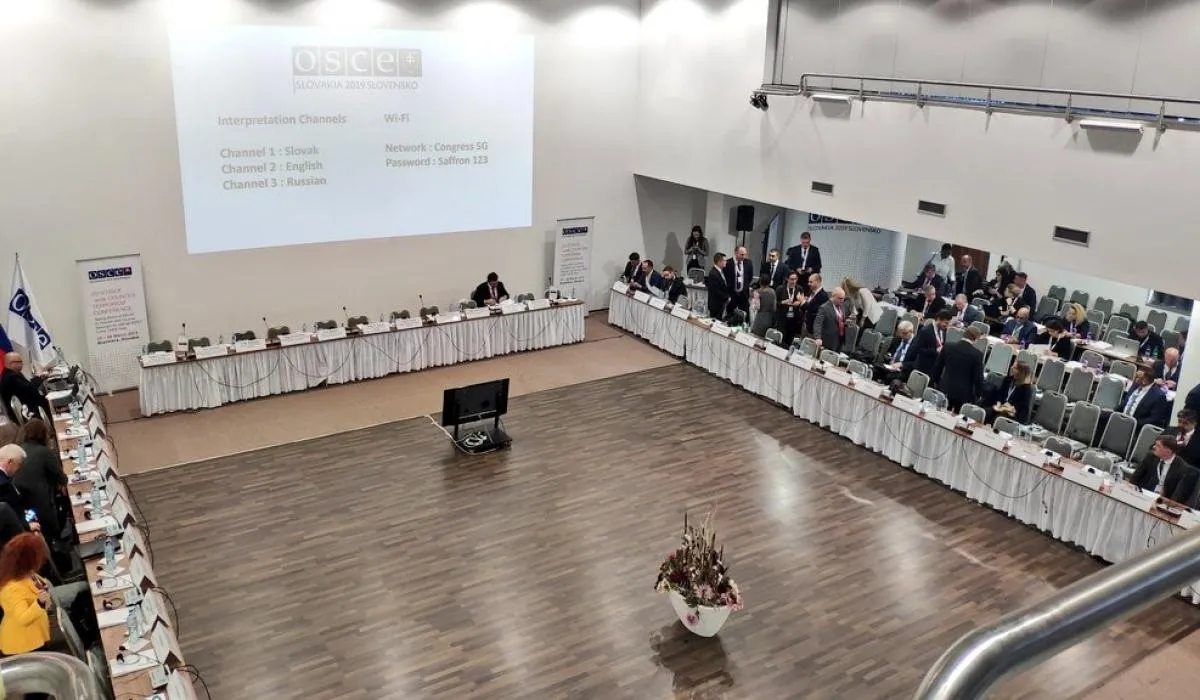
Large conference room with attendees seated in curved rows during a meeting

Highlighted Projects

The EU as a Force for Peace in the World
The EU Gulf Connect
Decolonizing the EU’s foreign and economic policy

How can you get involved?

Support, amplify and contribute to our work. Our mission depends on community, partners, and public support.
Professional businessman in suit and tie with stylized avatar icon
Write your leader
Sign one of BIC's open letters and send it to your Minister or MEP
Join an event
Participate in a public policy dialogue or roundtable.
Donate
Make a contribution to support and expand the BIC's work.
Follow us
Follow us on LinkedIn and X to read and share our latest work.

Latest News

The EU Gulf Connect Transforming the BIC-RHR website for enhanced engagement and improved user experience across devices.
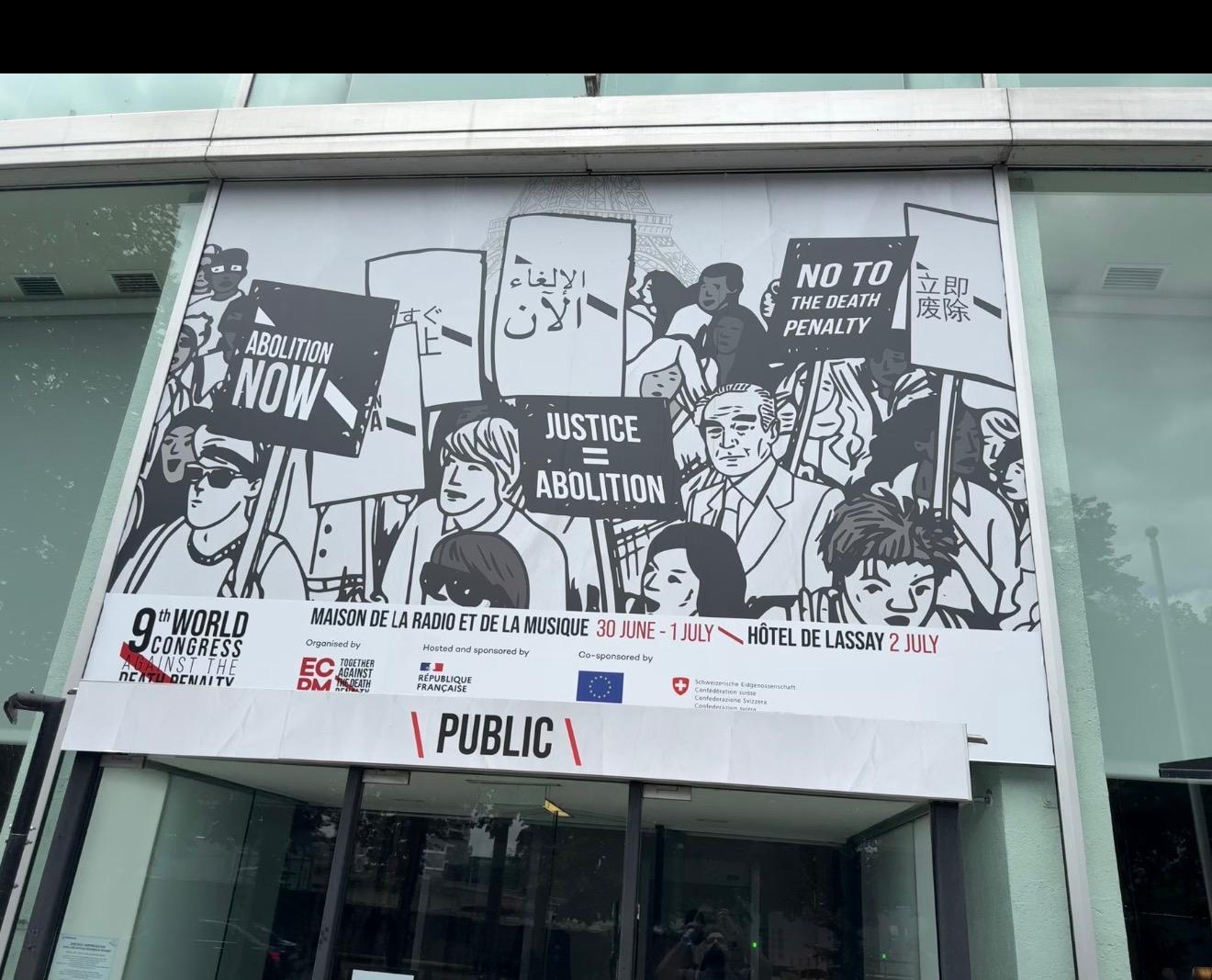
Brussels International Center Participation at the 9th World Congress Against the Death Penalty (Paris, 2 July 2026)
7/3/2026

Brussels International Center Participation at the 9th World Congress Against the Death Penalty (Paris, 2 July 2026)

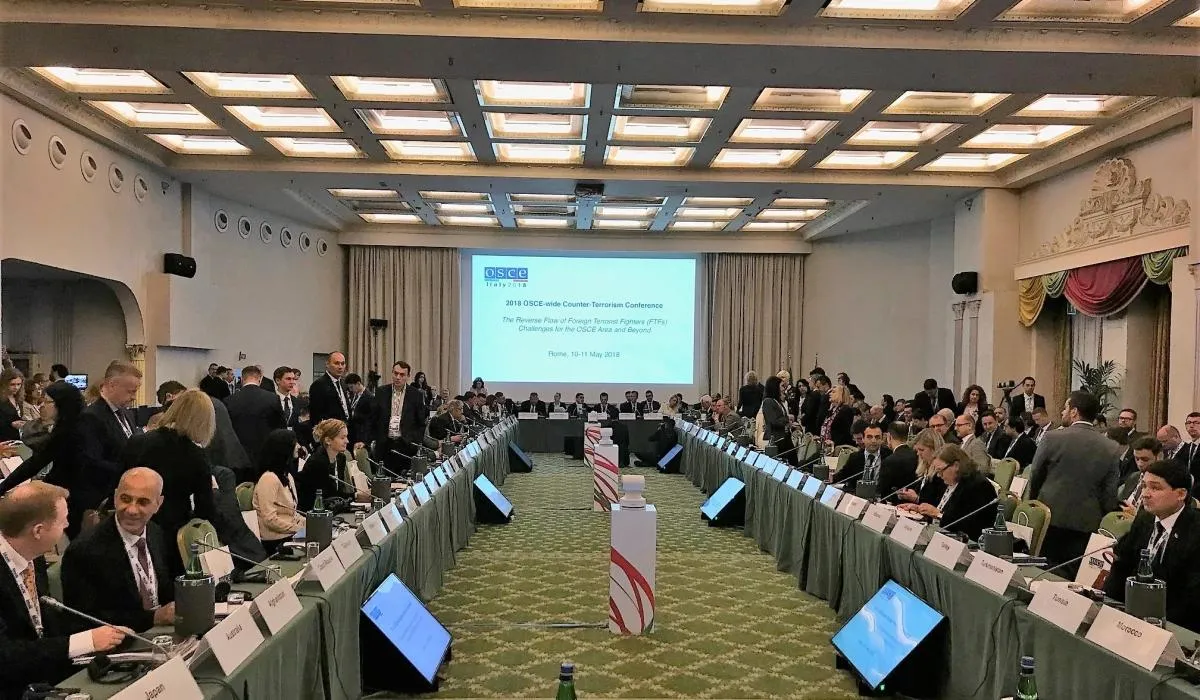
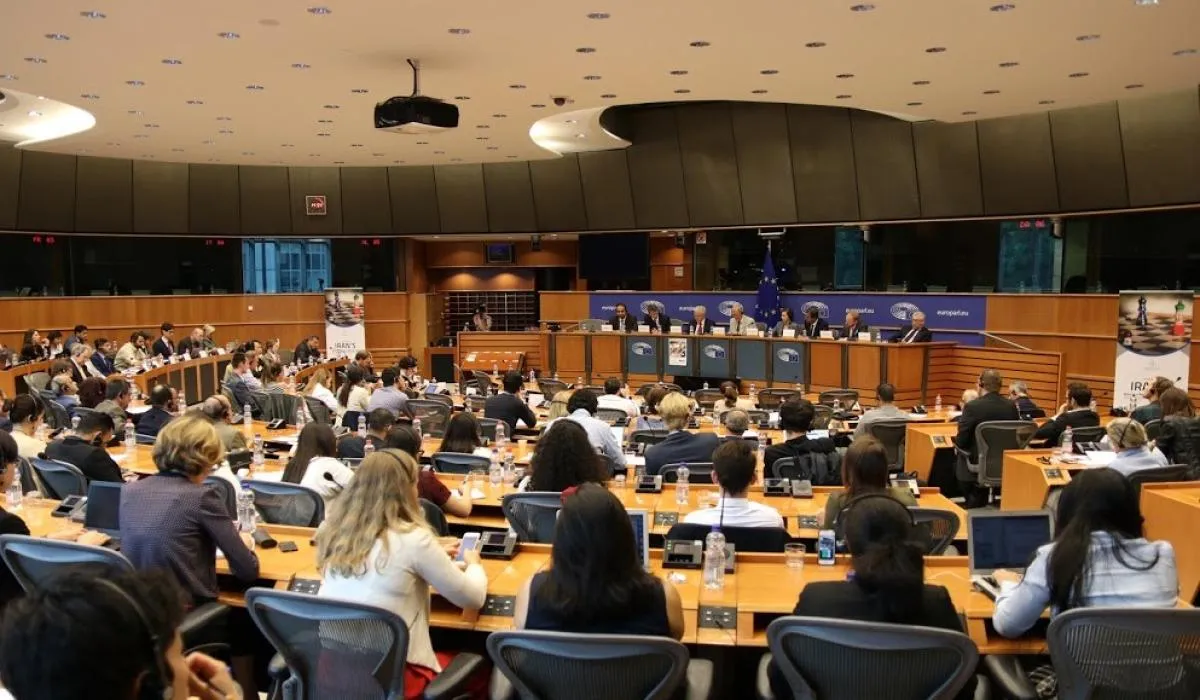
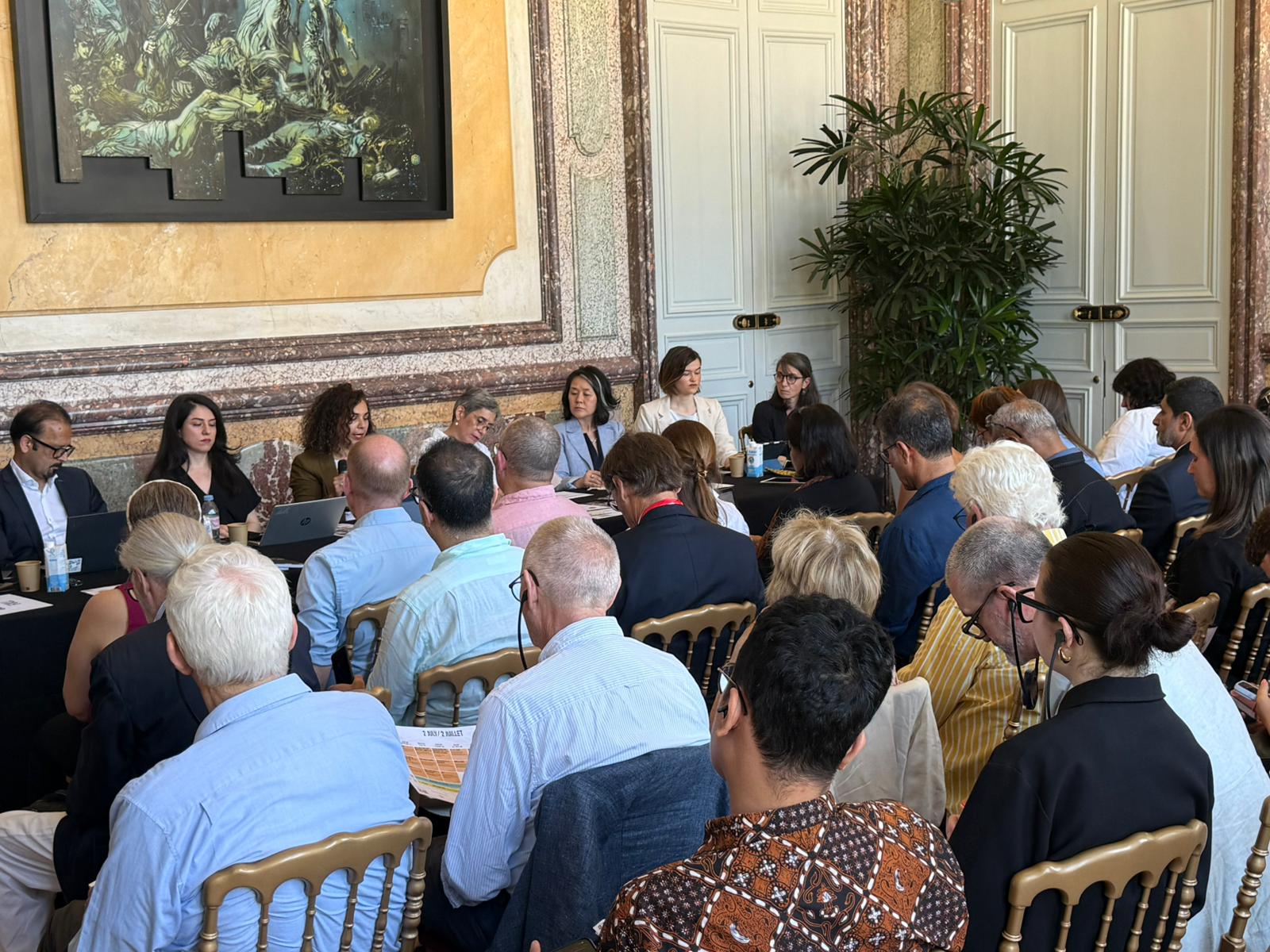
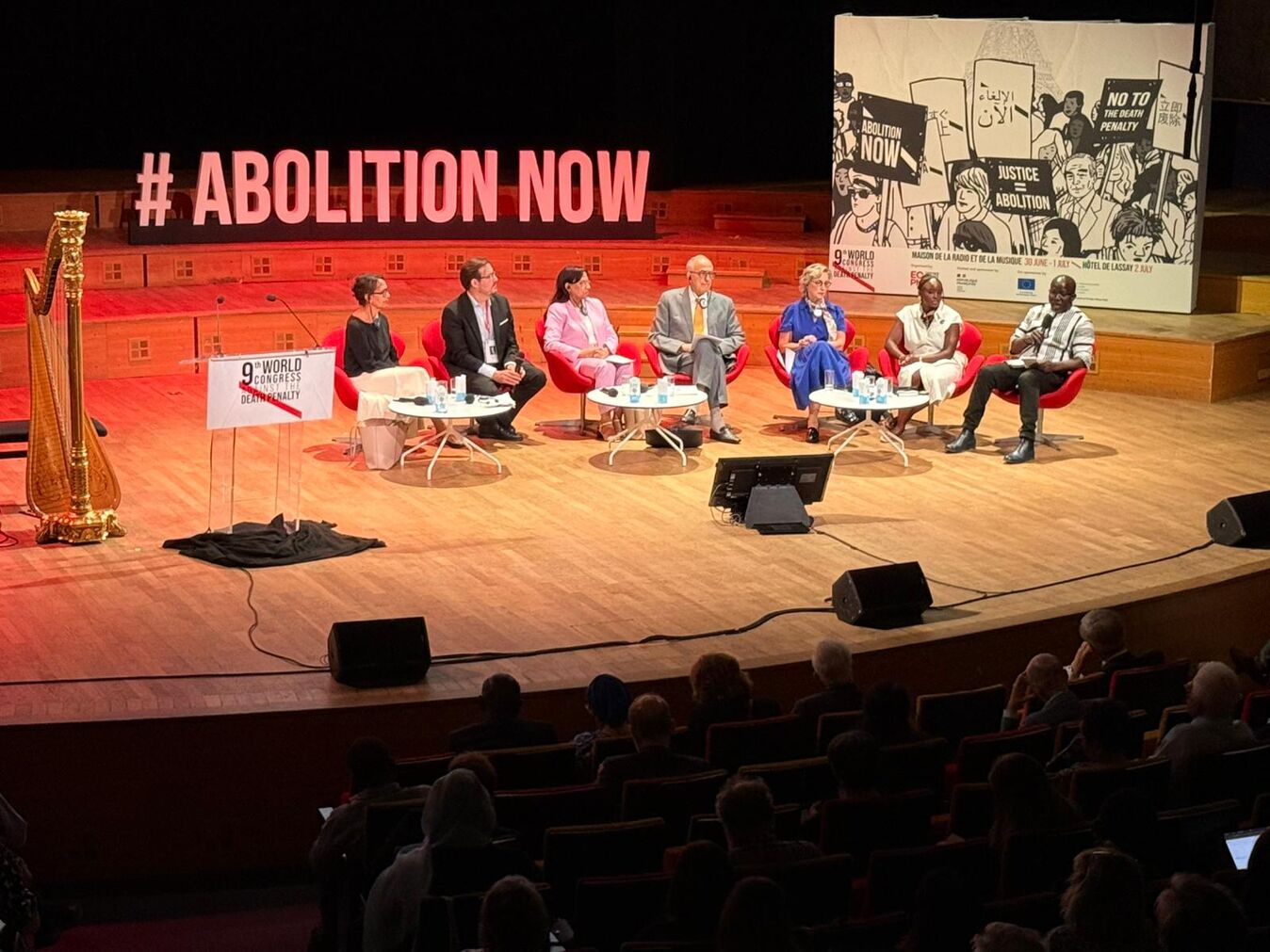
The Brussels International Center (BIC) continued its participation in the 9th World Congress Against the Death Penalty by attending a series of discussions that focused primarily on the situation in Iran and the international response to the increasing use of capital punishment. The sessions brought together representatives of international organizations, human rights defenders, legal experts, and civil society actors to examine recent developments and explore avenues for strengthening international advocacy and accountability.

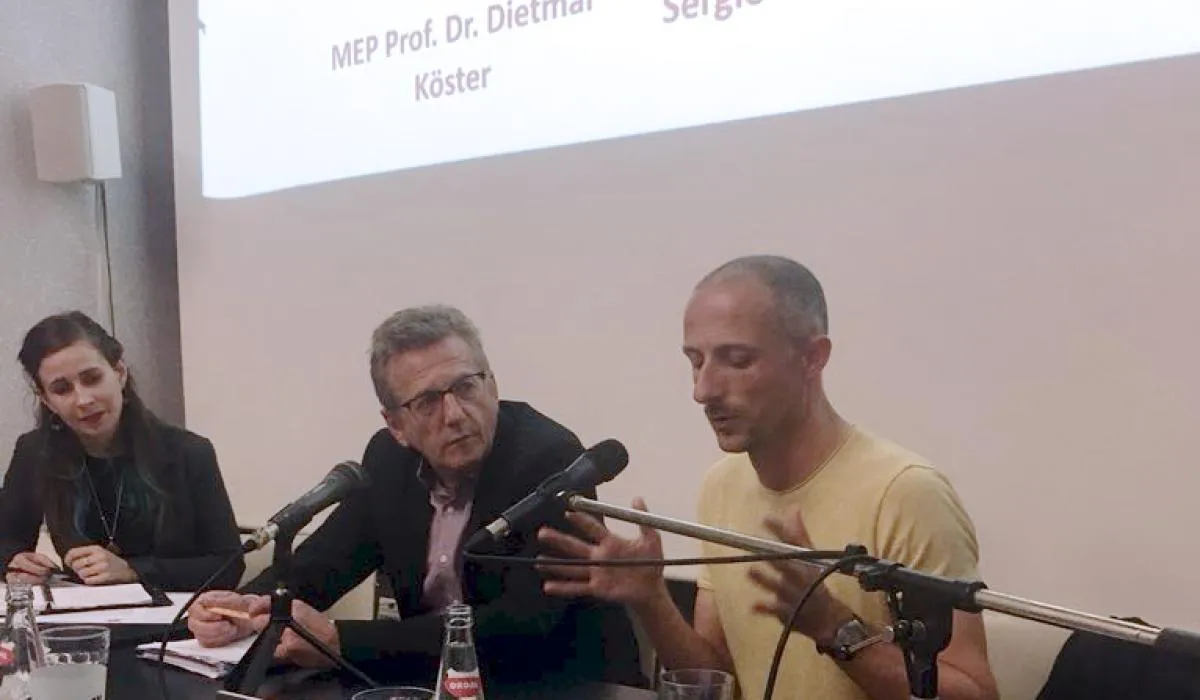
A central focus of the day's programme was the side event "Mass Executions in Iran: What Can NGOs, States and the UN Do?", which examined the significant rise in executions in Iran over recent years. Presentations highlighted statistical trends showing a sharp increase since 2022, with speakers arguing that executions are increasingly used not only as criminal sanctions but also as instruments of political repression. Discussions emphasized the use of capital punishment against political opponents, protesters, and members of ethnic minorities, while calling for stronger engagement by the United Nations, governments, and international NGOs to increase diplomatic pressure and improve documentation of human rights violations.

Participants also examined the humanitarian and social dimensions of executions by presenting case studies illustrating the impact of capital punishment on economically marginalized communities. Particular attention was devoted to the situation of Kurdish and Baluch minorities, with speakers describing patterns of discrimination, allegations of unfair trials, torture, coerced confessions, and the expanding use of broadly defined national security offences. Several interventions also linked the recent increase in executions to broader regional tensions involving Iran, arguing that geopolitical considerations have sometimes weakened international condemnation of Tehran's execution policies.

During the congress, Yousif Kharoubi, Office Administrator and Media & Communication Manager at the Brussels International Center, continued monitoring the proceedings and engaging with participants from international organizations and civil society, contributing to the Center's documentation and coverage of the event.

The Center also attended a session dedicated to cooperation within the Francophone community in response to the global resurgence of the death penalty. Discussions emphasized the role of the Organisation internationale de la Francophonie, national human rights institutions, parliamentarians, and regional organizations in promoting legislative cooperation, supporting moratoriums, and strengthening international coordination to preserve abolitionist achievements and advance common human rights standards.

The Brussels International Center's participation was further supported by Yasmine Akrimi, Projects and Research Lead, who contributed to the analytical monitoring of the congress by following policy discussions and collecting research material on emerging legal and diplomatic trends related to capital punishment.

Overall, the second day of the congress enabled the Brussels International Center to closely follow high-level discussions on Iran's execution policies and the broader international movement to abolish the death penalty, while strengthening its engagement with experts and organizations working in the fields of international law and human rights.

Brussels International Center Participation at the 9th World Congress Against the Death Penalty (Paris, 1 July 2026)
7/2/2026

Brussels International Center Participation at the 9th World Congress Against the Death Penalty (Paris, 1 July 2026)

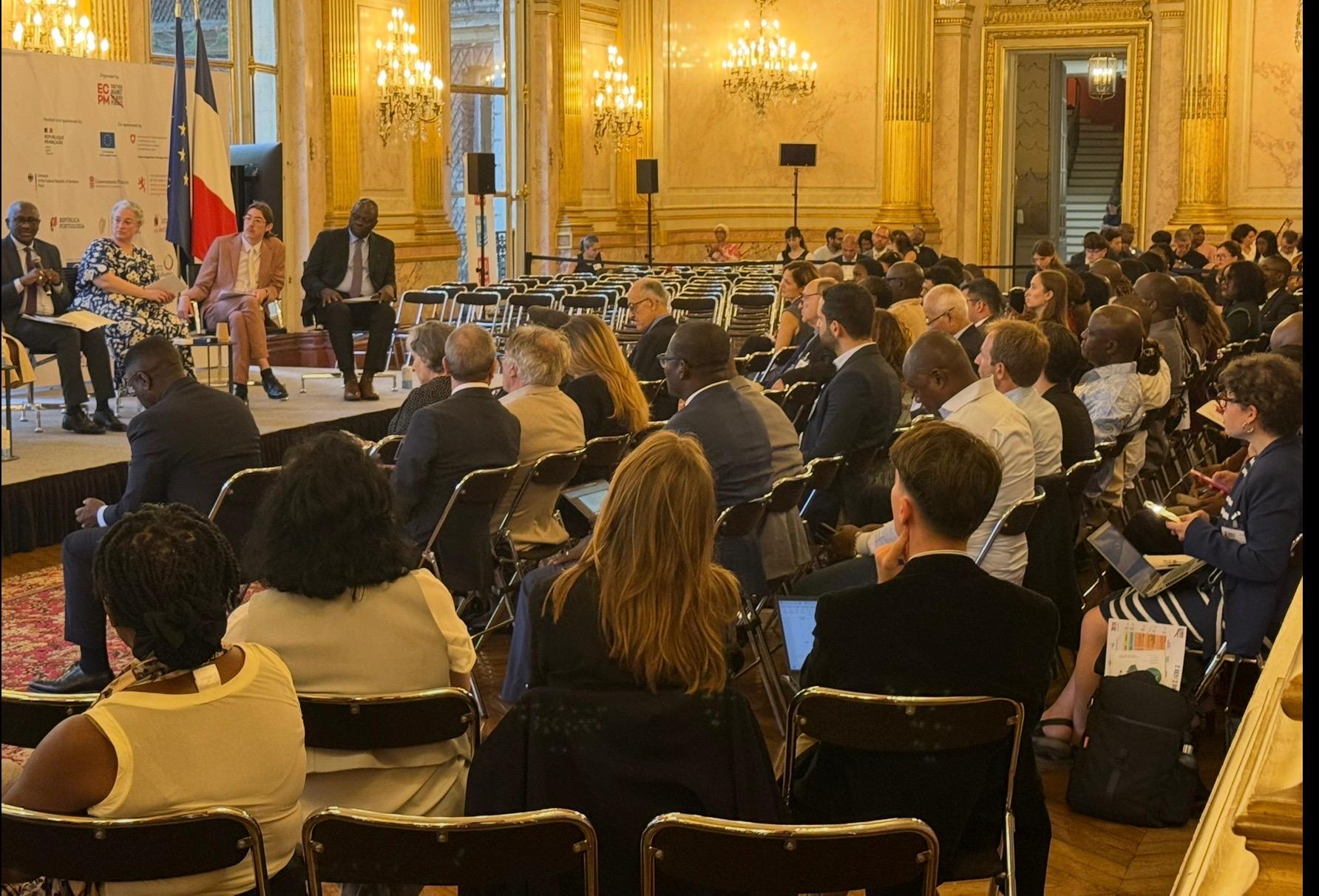
As part of its participation in the 9th World Congress Against the Death Penalty, organized by the European Organisation Against the Death Penalty (ECPM) in Paris, the Brussels International Center closely followed a broad range of plenary sessions, thematic workshops, and side events dedicated to the evolving global debate surrounding capital punishment. Throughout the congress, the Center monitored discussions on international legal developments, human rights challenges, political repression, and the growing role of civil society in advancing the worldwide abolition of the death penalty.

Representing the Brussels International Center, Office Administrator and Media & Communication Manager Yousif Kharoubi actively attended the various sessions, documenting key discussions, engaging with participants, and ensuring comprehensive media coverage of the congress. His participation focused on following the most significant debates, identifying emerging trends, and establishing contacts with international experts, human rights defenders, and representatives of governmental and non-governmental organizations.

One of the central discussions examined the theme “The Death Penalty in a Changing World: How Do We Address Its Resurgence?” bringing together representatives of national human rights institutions, regional organizations, and international advocacy networks. Speakers analyzed the renewed reliance on capital punishment in several countries within an increasingly unstable geopolitical environment, emphasizing how authoritarian governance, political instability, and security-based narratives have contributed to the persistence or reintroduction of executions. Considerable attention was given to the importance of strengthening international cooperation, reinforcing regional human rights mechanisms, and preventing setbacks to the global abolition movement.

The congress also devoted significant attention to the intersection between gender and capital punishment through an interactive workshop addressing the multiple and overlapping forms of discrimination experienced by women sentenced to death. Drawing on case studies from Iran and Nigeria, participants examined how gender inequality, economic vulnerability, ethnicity, religion, and unequal access to legal representation contribute to death sentences imposed on women. Discussions further highlighted the impact of gender-based violence and structural discrimination within criminal justice systems, concluding with the testimony of a former death row inmate whose experience illustrated the human consequences of wrongful convictions and the importance of due process and gender-sensitive judicial reforms.

In parallel, another high-level panel explored the legal and political debate surrounding the possible classification of systematic executions as crimes against humanity. Participants discussed international legal frameworks governing capital punishment and presented legal analyses arguing that certain patterns of executions, particularly where accompanied by widespread human rights violations and political repression, warrant closer examination under international criminal law. Several interventions focused on contemporary developments in Iran, examining allegations of arbitrary detention, torture, unfair trials, enforced disappearances, and politically motivated executions, while also expanding the discussion to other countries where the death penalty is used as an instrument of state control.

Beyond these sessions, the congress addressed a wide variety of regional situations and thematic issues, including mass executions, juvenile offenders, discrimination in criminal justice systems, diplomatic strategies to advance abolition, and the role of international institutions in monitoring compliance with international human rights standards. Numerous exchanges emphasized the growing importance of cooperation between governments, civil society organizations, legal experts, and international organizations to promote accountability and encourage legislative reform.

The Brussels International Center also maintained an active presence throughout networking activities, side events, and expert meetings held alongside the official programme. These engagements enabled the Center to expand its network with international stakeholders working in the fields of human rights, international law, transitional justice, and humanitarian advocacy, while identifying opportunities for future dialogue and cooperation on issues related to justice and human rights.

The Center's participation was further reinforced through the contribution of Yasmine Akrimi, Projects and Research Lead, who supported the analytical follow-up of the congress by monitoring substantive discussions, collecting research material, and contributing to the assessment of emerging international trends related to capital punishment and broader human rights developments. Her work complemented the Center's objective of producing evidence-based reporting and strengthening its research activities following the congress.

Overall, the Brussels International Center's participation on the second day of the Congress provided an important opportunity to monitor one of the world's leading international forums dedicated to the abolition of the death penalty. The congress offered valuable insight into contemporary legal, political, and humanitarian debates while enabling the Center to strengthen its international engagement, expand professional networks, and enhance its capacity to produce informed research and analysis on evolving global human rights issues.

Death Penalty, BIC at the Ninth World Congress
7/2/2026

Death Penalty, BIC at the Ninth World Congress

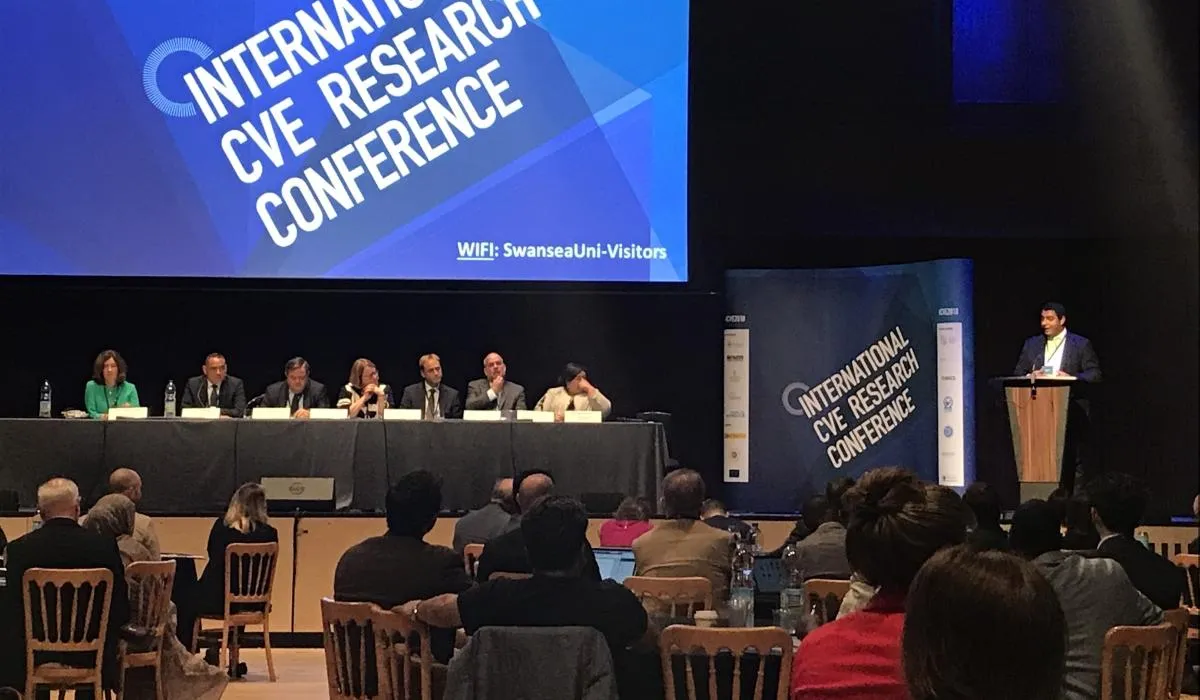
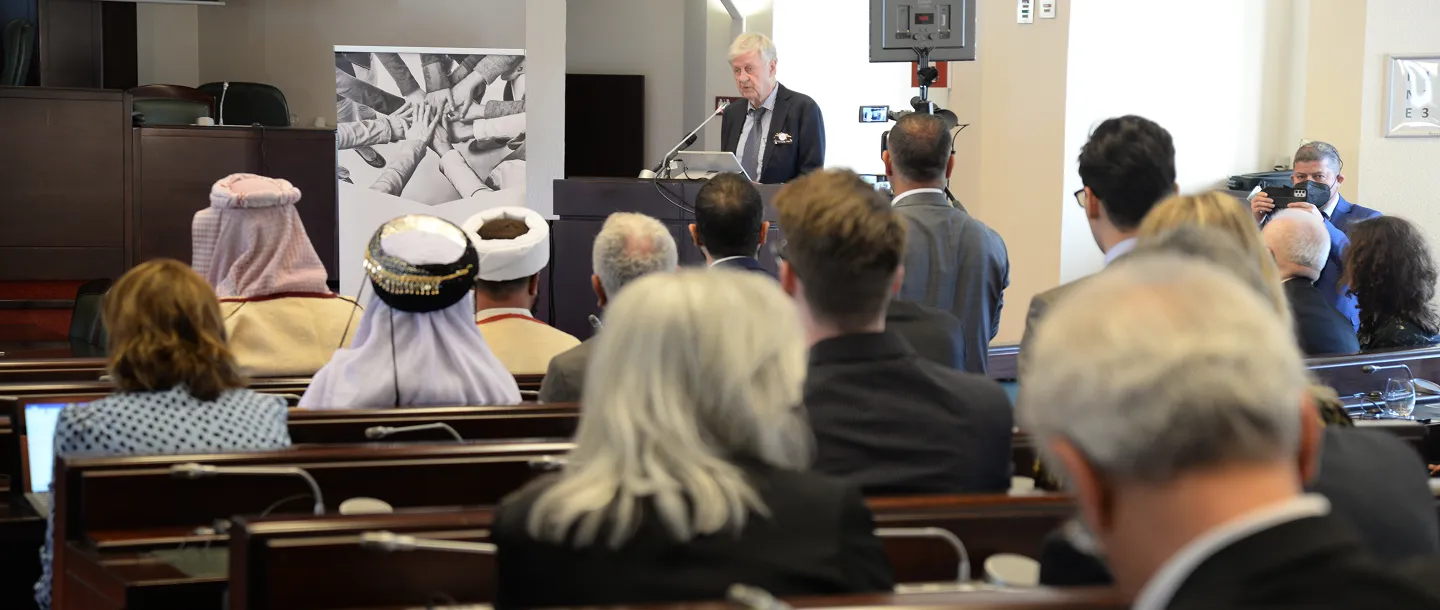
The Brussels International Center (BIC) actively participated in the Ninth World Congress Against the Death Penalty, where its delegation attended and documented a series of high-level discussions dedicated to the global abolition of capital punishment.

Through its presence, the Center followed the debates, engaged with international experts, NGOs, diplomats, and legal practitioners, and monitored the exchange of evidence and recommendations aimed at strengthening international efforts against the death penalty. The Center’s coverage contributes to documenting emerging human rights trends and provides analytical reporting on issues discussed during the Congress.

A dominant theme throughout the event was the situation in Iran, which received considerable attention across multiple sessions. Presentations focused on the sharp rise in executions, the extensive use of the death penalty for drug-related offences, the execution of political prisoners and individuals charged with security-related offences, and the broader human rights implications of these practices.

Speakers argued that executions in Iran have reached unprecedented levels and emphasized the need for stronger international engagement, accountability mechanisms, and sustained monitoring. By covering these discussions, the Brussels International Center highlighted one of the Congress’s principal concerns and documented the international community’s growing focus on developments related to capital punishment and human rights in Iran.

Join Us in Making a Difference

Stay informed and engaged with our latest updates, events, and opportunities to contribute.
CTA-BG